Top Financial Analytics Tools Launched for Tech Firms in 2026
April 14, 2026 | By GenRPT Finance
Are tech companies still relying on traditional analytics tools to make financial decisions? In 2026, the answer is rapidly changing. A new generation of financial analytics tools has emerged, designed specifically for the complexity and scale of modern tech firms. These tools go beyond reporting and basic dashboards. They provide real-time insights, predictive analytics, and automated decision support. As a result, they are playing a critical role in shaping how tech companies operate, invest, and grow.
The Shift Toward AI-First Analytics Platforms
One of the most defining trends in 2026 is the rise of AI-first financial analytics tools. These platforms are built with artificial intelligence at their core. Instead of simply displaying data, they interpret it and generate insights automatically. AI models analyze financial and operational data to identify patterns, forecast trends, and highlight risks. For tech firms, this means faster and more accurate decision-making. AI-first tools reduce the need for manual analysis and enable teams to focus on strategy.
Real-Time Analytics Becomes a Standard Feature
Real-time analytics is no longer a premium feature. It is becoming a standard expectation. Financial analytics tools launched in 2026 provide continuous updates on key metrics such as revenue, costs, and user activity. This allows companies to monitor performance in real time and respond quickly to changes. For tech firms operating in fast-moving markets, real-time insights are essential. They help companies stay agile and make informed decisions without delay.
Integration Across Data Ecosystems
Modern financial analytics tools are designed to integrate seamlessly with existing data ecosystems. This includes enterprise resource planning systems, customer relationship management platforms, and cloud data warehouses. Integration ensures that all relevant data is available in one place. This eliminates data silos and improves the accuracy of analysis. For tech firms, which often operate across multiple systems, this unified approach is critical for effective decision-making.
Predictive and Prescriptive Capabilities
Another key feature of new financial analytics tools is their ability to predict and recommend actions. Predictive analytics uses historical and real-time data to forecast future outcomes. Prescriptive analytics goes a step further by suggesting the best course of action. For example, a tool might predict a decline in revenue and recommend cost adjustments or new investment strategies. These capabilities help tech firms plan ahead and make proactive decisions.
Advanced Visualization and User Experience
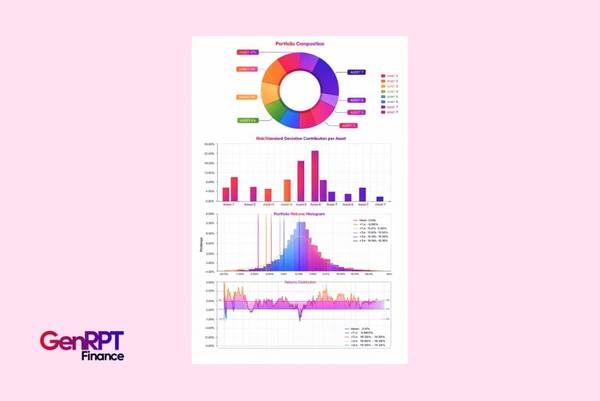
User experience has become a major focus in financial analytics tools. In 2026, tools offer advanced visualization features that make data easier to understand. Interactive dashboards, customizable reports, and visual storytelling are becoming common. These features allow users to explore data and gain insights quickly. For tech firms, where decisions often involve multiple stakeholders, clear and intuitive visualization is essential.
Automation of Financial Workflows
Automation is a core component of modern analytics tools. Tasks such as data collection, processing, and report generation are increasingly automated. This reduces manual effort and minimizes errors. Automated workflows ensure that data is updated consistently and reports are generated on time. For tech firms, automation improves efficiency and allows teams to focus on higher-value activities.
Incorporation of Alternative Data Sources
Financial analytics tools in 2026 are expanding beyond traditional data sources. They are incorporating alternative data such as user engagement metrics, web traffic, and external market signals. This provides a more comprehensive view of performance. For example, combining financial data with user behavior can reveal deeper insights into product success. For tech firms, this integration of alternative data is a powerful advantage.
Enhanced Risk and Compliance Features
Risk management and compliance are becoming more sophisticated with new analytics tools. These tools can monitor transactions, detect anomalies, and ensure compliance with regulations. They use machine learning to identify potential risks and recommend actions. For tech firms, this means better protection against financial and operational risks. Enhanced compliance features also help companies meet regulatory requirements more effectively.
Collaboration and Accessibility
Modern financial analytics tools are designed for collaboration. Cloud-based platforms allow teams to access data and insights from anywhere. Multiple users can work on the same data simultaneously, share insights, and make decisions together. This improves communication and ensures that everyone is aligned. For tech firms, collaboration is essential for managing complex operations and driving innovation.
Customization for Different Use Cases
Another important trend is the ability to customize analytics tools for different use cases. Tools can be tailored to meet the specific needs of various departments, such as finance, operations, and product teams. This ensures that each team has access to relevant insights. Customization also improves efficiency by focusing on the metrics that matter most. For tech firms, this flexibility is key to maximizing the value of analytics tools.
Challenges in Selecting the Right Tools
With so many options available, choosing the right financial analytics tool can be challenging. Companies must consider factors such as scalability, integration capabilities, and ease of use. They also need to ensure that the tool aligns with their business objectives. Implementation can be complex, and there may be a learning curve for users. Despite these challenges, selecting the right tool is critical for achieving the desired outcomes.
What This Means for Tech Firms
The launch of new financial analytics tools in 2026 is transforming how tech firms operate. Companies that adopt these tools can gain deeper insights, improve efficiency, and make better decisions. These tools enable a more data-driven approach to management and strategy. For investors, they provide better visibility into company performance. The tech sector is becoming more transparent and more competitive as a result.
Conclusion
Top financial analytics tools launched in 2026 are redefining how tech firms analyze and use financial data. AI-driven insights, real-time analytics, automation, and advanced visualization are transforming financial analysis into a powerful decision-making tool. As the complexity of data continues to grow, the need for advanced analytics solutions becomes more important. This is where GenRPT Finance plays a crucial role. By integrating multiple data sources, providing real-time insights, and automating reporting, GenRPT Finance helps organizations unlock the full potential of their financial data and stay ahead in a rapidly evolving technology landscape.
