Multi-Input Systems in Equity Intelligence Gathering
January 16, 2026 | By GenRPT Finance
In today’s fast-paced financial landscape, the ability to gather and analyze equity intelligence efficiently is crucial for making informed investment decisions. As technology continues to advance, multi-input systems have emerged as powerful tools in optimizing the process of collecting and interpreting data related to equities. These systems offer a comprehensive approach by consolidating information from various sources to provide a holistic view for investors and financial analysts.
About Multi-Input Systems in Equity Intelligence Gathering
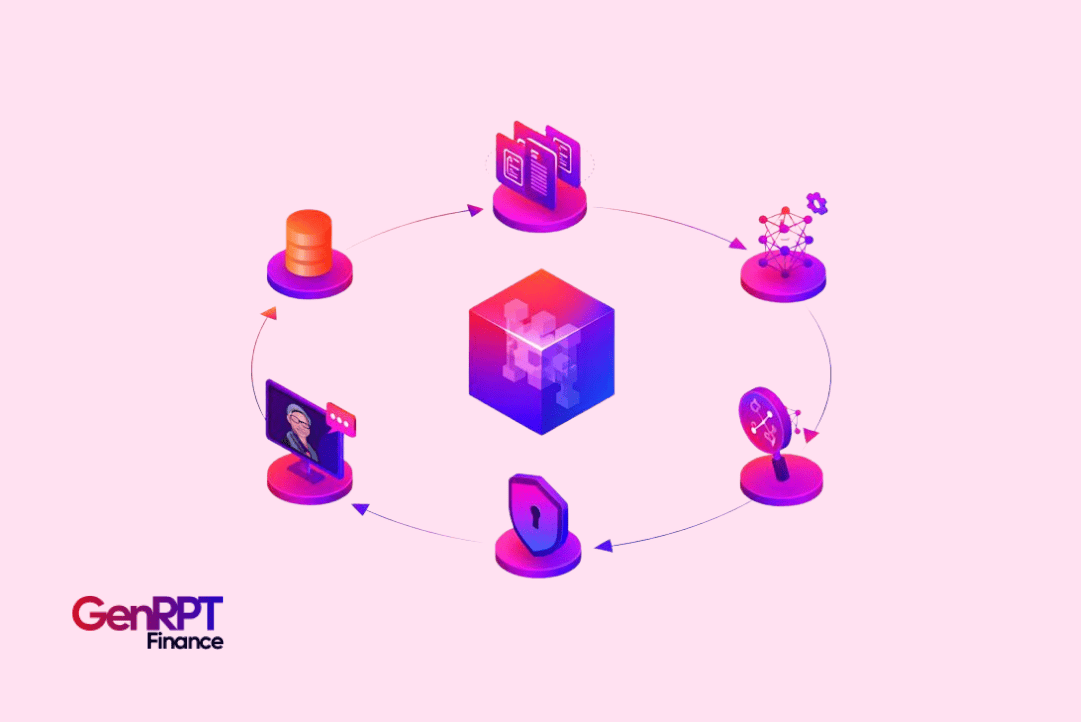
Multi-input systems, as the name suggests, allow users to input and process data from multiple sources simultaneously. These systems can intake data from financial reports, market trends, news articles, social media, and more, offering a diverse range of information for analysis. By leveraging advanced algorithms and machine learning capabilities, multi-input systems can identify patterns, detect anomalies, and generate valuable insights to aid in decision-making.
Importance of Multi-Input Systems in Equity Intelligence Gathering
The importance of multi-input systems in equity intelligence gathering cannot be overstated. In today’s data-driven world, the volume and variety of information available can be overwhelming. Multi-input systems streamline this process by efficiently collecting, organizing, and analyzing data from disparate sources. This allows investors and analysts to make timely and well-informed decisions based on a comprehensive understanding of the market dynamics.
Scope of Multi-Input Systems in Equity Intelligence Gathering
The scope of multi-input systems in equity intelligence gathering is vast. These systems can be used by individual investors, asset managers, hedge funds, and financial institutions alike. Whether tracking the performance of specific stocks, monitoring market trends, or conducting in-depth research on companies, multi-input systems provide a versatile platform for analyzing equity-related data. With customizable features and interactive dashboards, users can tailor the system to their specific needs and preferences.
Use Cases of Multi-Input Systems in Equity Intelligence Gathering
1. Market Analysis
Multi-input systems can aggregate data from various financial markets and analyze trends to identify investment opportunities.
2. Risk Management
These systems can assess the risk exposure of equity portfolios by integrating data on volatility, correlations, and other risk factors.
3. Sentiment Analysis
By scanning news articles and social media, multi-input systems can gauge market sentiment and predict potential price movements.
4. Performance Evaluation
Investors can use these systems to track the performance of their investments and compare them against benchmarks and indices.
Future of Multi-Input Systems in Equity Intelligence Gathering
As technology continues to evolve, the future of multi-input systems in equity intelligence gathering looks promising. With advancements in artificial intelligence, natural language processing, and big data analytics, these systems will become even more sophisticated in their capabilities. Real-time data processing, predictive analytics, and automated decision-making are just a few areas where multi-input systems are expected to make significant strides.
How My Product Helps Here
Our product, GenRPT Finance, is designed to seamlessly integrate with multi-input systems, enhancing their functionalities and usability. By providing a user-friendly interface, real-time data updates, and customizable analytics tools, GenRPT Finance empowers users to harness the full potential of multi-input systems in equity intelligence gathering. Whether you are a novice investor or a seasoned financial professional, our product is tailored to meet your needs and optimize your decision-making process.
In conclusion, multi-input systems play a crucial role in equity intelligence gathering by offering a comprehensive and efficient way to collect, analyze, and interpret data from various sources. As technology continues to advance, the future of these systems holds great promise for investors seeking to gain a competitive edge in the financial markets. By leveraging innovative solutions like GenRPT Finance, users can stay ahead of the curve and make well-informed investment decisions based on robust data analysis.
